Early Signs of Baker’s Cyst
- Home
- Early Signs of Baker’s Cyst
Knee pain may seem like a minor concern, but it can sometimes indicate an underlying joint problem that needs medical attention. A swelling or lump behind the knee could be a sign of a Early Signs of Baker’s Cyst also known as a popliteal cyst. Understanding the early Baker’s cyst symptoms can help you seek timely diagnosis, prevent complications, and improve treatment outcomes. At AVee Hospital in Vaishali, Ghaziabad, experienced orthopedic specialists provide accurate evaluation and personalized care for patients experiencing knee-related concerns.
A Baker’s cyst knee condition occurs when excess fluid builds up behind the knee joint, causing swelling, stiffness, and discomfort. While some cysts may improve with proper care, ignoring symptoms can lead to increased pain, restricted movement, nerve irritation, or circulation issues in rare cases. Consulting the Best Orthopedic Doctor in Ghaziabad can help identify the cause of the problem and recommend the most suitable treatment approach for effective recovery.
So, what is a Baker’s cyst exactly? Medically known as a popliteal cyst, it is a fluid-filled sac that forms in the popliteal space, the area directly behind the knee. This cyst develops when excess synovial fluid, the natural lubricant of the knee joint, accumulates and pushes outward into a pocket behind the joint, most often as a result of an underlying knee problem such as arthritis or a meniscus tear.
While the name might sound unfamiliar, a baker cyst in knee patients is actually quite common, particularly among adults with existing joint conditions, and it is rarely dangerous on its own, though it can certainly be uncomfortable and inconvenient.
The process starts when the knee joint becomes inflamed. As pressure rises, the synovial fluid looks for a place to escape. It often moves into the bursa behind the knee. While this acts as the body’s way of protecting itself, problems arise if too much fluid gathers. This leads to the swelling linked to Baker’s cyst.
A cyst behind knee joints typically develops secondary to another condition affecting the knee, rather than appearing on its own without cause. Common underlying triggers include:
Understanding these knee cyst causes helps explain why treating a Baker’s cyst effectively often involves addressing the underlying joint issue, not just the swelling itself.
Trouble moving the knee shows up with Baker’s cysts. People start having a hard time straightening or bending the knee when going upstairs or getting up from a chair. At first, these movement troubles might seem small but grow worse if a doctor doesn’t treat them .
How someone walks might shift if they are unknowingly adjusting to knee pain. These adjustments can cause other issues in the hip, ankle, or lower back if ignored. This highlights the need to seek a professional opinion .
Some symptoms call for urgent care from places like AVeeHospital. Sharp sudden pain behind the knee paired with swelling that reaches the calf, might signal a ruptured cyst. While this isn’t fatal, quick treatment is necessary to avoid further problems.
Tingling or numbness in the lower leg could mean nerve compression. This is a serious condition that requires prompt medical care. If changes happen to the skin’s color or how warm or cold it feels near the problem area, medical help is necessary to check for blood flow problems.
When swelling grows bigger over weeks, it can signal an expanding cyst. People should keep an eye on the area and watch for shifts in size, shape, or texture. Taking photos might help show changes between doctor visits.
Trouble sleeping due to knee pain is another red flag. If Baker’s cyst symptoms start interrupting sleep, it means the problem has advanced and needs a doctor’s care to manage it .
Osteoarthritis plays the biggest role in causing Baker’s cysts in adults older than 50. This joint disease wears down cartilage over time and leads to ongoing swelling in the joint, which makes the body produce excess synovial fluid. This build-up of fluid makes it easier for cysts to develop, making osteoarthritis one of the major causes of knee pain. Therefore, controlling arthritis is key to preventing them.
Meniscus tears are also a common reason behind Baker’s cysts. Damage to the meniscus, whether from aging or sports injuries, interrupts normal knee movement. This disruption causes swelling and fluid buildup. People who play sports or lead an active lifestyle have more chances of facing this because they put more pressure on their knees and are more likely to get hurt.
Conditions like rheumatoid arthritis and other inflammatory disorders increase the risk of developing a Baker’s cyst. These autoimmune issues lead to ongoing joint swelling, which causes extra synovial fluid to build up over time. People dealing with such conditions need regular check-ups to catch cysts .
Age plays a key role as a fixed risk factor since anyone over 40 faces a higher chance of developing Baker’s cysts. However younger people with knee injuries or inflammation can also be affected. This makes it important to watch out for symptoms no matter what the age.
Past knee injuries or surgeries might leave behind scar tissue and change how the joint works, which could lead to cyst formation. Those with a history of surgery should watch out for early symptoms and visit their orthopedic doctors regularly to stay on top of any issues.
Visiting the Best Orthopedic Doctor in Ghaziabad plays a big role in managing Baker’s cyst . When knee swelling doesn’t go away after a week even if there isn’t much pain, patients should meet a specialist to assess the issue.
Worsening symptoms need quick action no matter how long they’ve been present. Swelling that increases, pain that gets worse, or trouble moving the knee might need faster care. Waiting too long could lead to serious problems and treatments that are harder to deal with.
A proper diagnosis helps figure out if it’s a Baker’s cyst or something else. Conditions like deep vein thrombosis or tumors can look the same but need different care. Seeing a professional ensures the right plan is put in place to handle the problem.
Specialized facilities with advanced imaging make sure doctors can diagnose and plan treatments . Technologies like MRI and ultrasound let experts see clear details of cysts. This helps them decide the best way to treat each case.
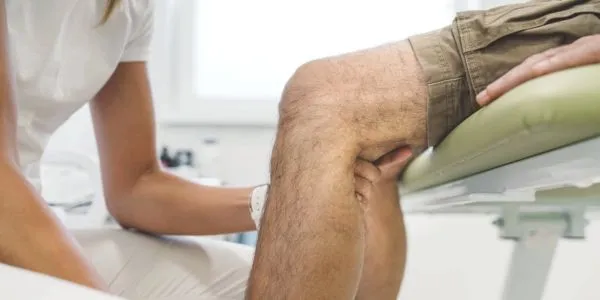
Diagnosis typically begins with a physical examination, where the doctor checks for swelling, tenderness, and how the lump behaves when the knee is bent or straightened. Ultrasound imaging is commonly used to confirm a popliteal cyst and distinguish it from other possible causes of swelling, while an MRI may be recommended to identify the underlying joint issue responsible for the cyst’s formation. At Avee Hospital’s Orthopaedics Department, this combined approach ensures both the cyst and its root cause are properly identified.
Since a Baker’s cyst usually forms secondary to another knee condition, prevention largely centres on maintaining good overall joint health. Managing arthritis symptoms proactively, addressing meniscus injuries promptly, maintaining a healthy body weight to reduce joint strain, and staying consistent with strengthening exercises for the muscles around the knee all contribute to reducing the likelihood of fluid build-up behind the joint.
Mrs. Kaveri, a 52-year-old teacher living in Ghaziabad, noticed her knee starting to swell over about six weeks. At first, she thought it was just because of aging and didn’t worry much. But as walking became harder, she decided to get it checked. Doctors at AVee Hospital found a large Baker’s cyst that needed quick attention.
After analyzing her condition, they treated her by draining the cyst using a small procedure and addressing her osteoarthritis at the same time. The treatment worked well, and Mrs. Kaveri felt her pain and swelling go away almost . Over the next four weeks, she made a steady recovery and could return to her regular routine .
“The doctors at AVee Hospital helped fix my knee pain and also explained both the procedure and what I needed to do during recovery,” Mrs. Kaveri shared. “Now, I have no pain and can go back to my normal routine without any issues.”
| Aspect | Details |
| Common cause | Underlying knee conditions such as arthritis or meniscus tears |
| Typical symptoms | Fullness, mild swelling, and stiffness behind the knee |
| Risk of rupture | Possible; can mimic calf blood clot symptoms if it occurs |
| First-line treatment | Rest, ice, physiotherapy, and treating the root cause |
| When surgery is considered | Persistent, large, or recurrent cysts affecting mobility |
For those managing a mild, stable Baker’s cyst, a few practical habits can ease daily discomfort. Avoiding prolonged squatting or kneeling, using a supportive knee brace during activity, and gently stretching the surrounding muscles can all help reduce pressure behind the joint. Understanding broader knee pain causes and treatments can also help patients recognise how a cyst fits into their overall knee health picture.
If you notice a persistent lump behind your knee, increasing swelling, or sudden calf pain, it is important to seek a professional evaluation promptly. Dr. Anil K Jain recommends early assessment for any suspected Baker’s cyst, since addressing the underlying joint condition early often prevents recurrence. You can reach out through Avee Hospital’s contact page or find the hospital’s location here to schedule a consultation.
It is a fluid-filled swelling that forms behind the knee, usually caused by an underlying joint issue such as arthritis or a meniscus tear.
Early signs include a feeling of fullness or tightness behind the knee, mild swelling, and occasional stiffness, especially after standing or activity.
It varies; some small cysts resolve within weeks if the underlying cause improves, while others persist or grow if the root joint issue remains untreated.
Most are not dangerous, but a ruptured cyst can cause symptoms resembling a blood clot, so sudden calf pain and swelling should always be checked promptly.
No, most cases are managed with rest, physiotherapy, and treatment of the underlying knee condition; surgery is reserved for persistent or particularly large cysts.
A Baker’s cyst may start as a minor, easily overlooked symptom, but recognising it early makes a real difference in managing both the cyst and the underlying joint condition causing it. If you have noticed unusual swelling or fullness behind your knee, the specialists at Avee Hospital’s Orthopaedics Department can help you get an accurate diagnosis and the right treatment plan.